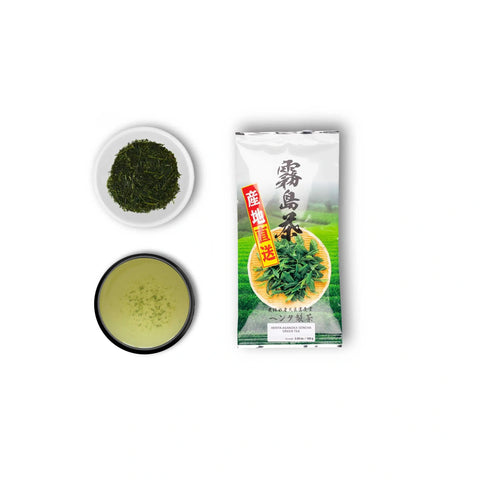
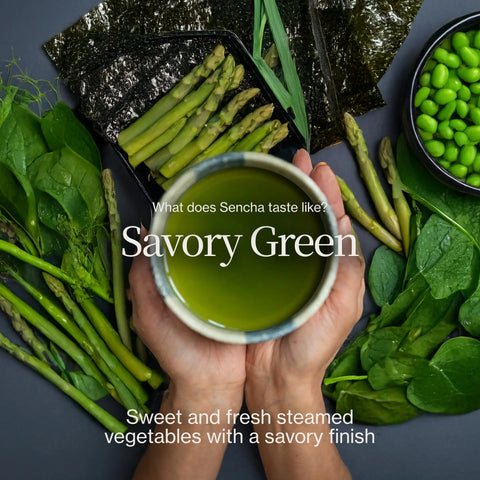
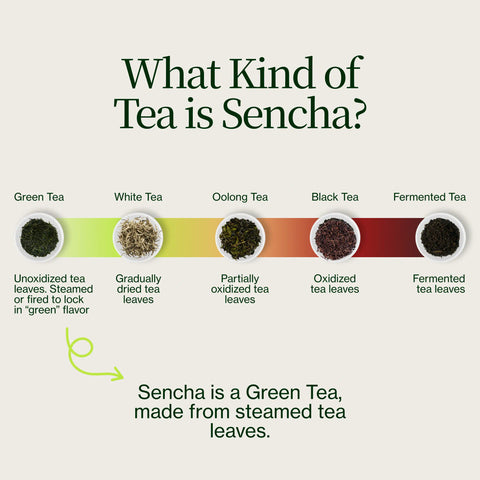
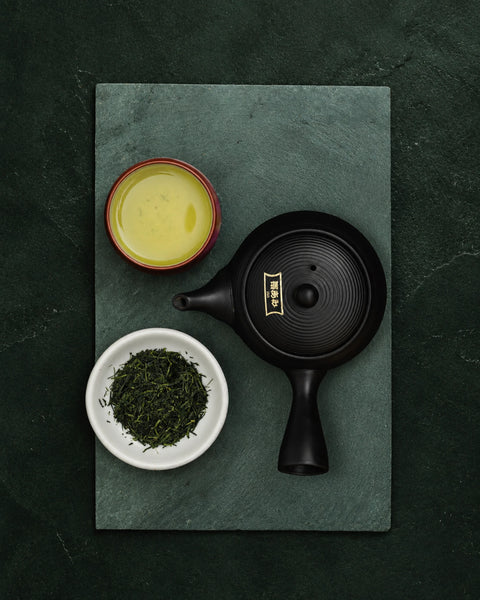
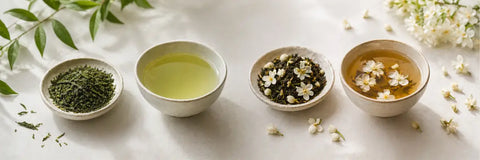
Sencha is the tea most Japanese households drink every day, and it accounts for the large majority of the country's green tea production. The leaves are grown in full sun, then steamed within hours of picking to stop oxidation before it starts — the step that separates Japanese green tea from Chinese pan-fired styles. Rolling and drying follow, shaping the leaf into the thin dark needles you see in the bag. In the cup it is fresh and grassy with a clean astringency, and the balance shifts with the water: cooler water pulls the sweetness and umami forward, hotter water brings out the briskness. One portion of leaf will give you two or three good infusions, each a little different from the last.
Artisan du thé : Henta-sanKagoshima
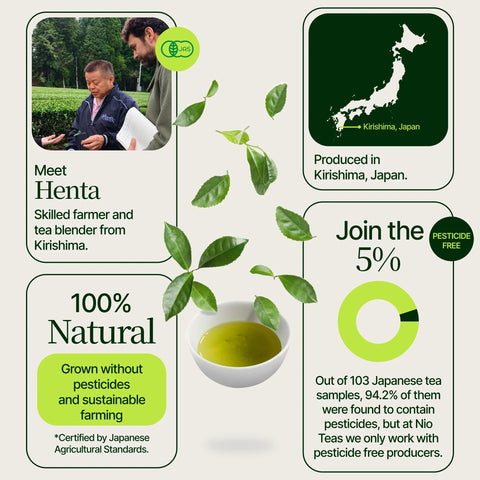
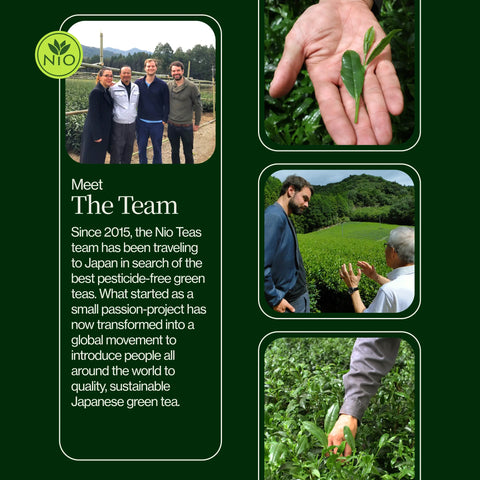
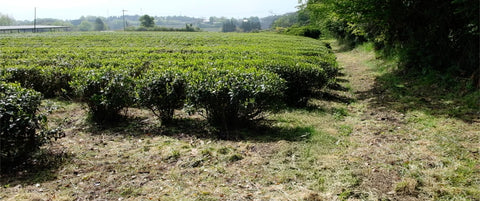
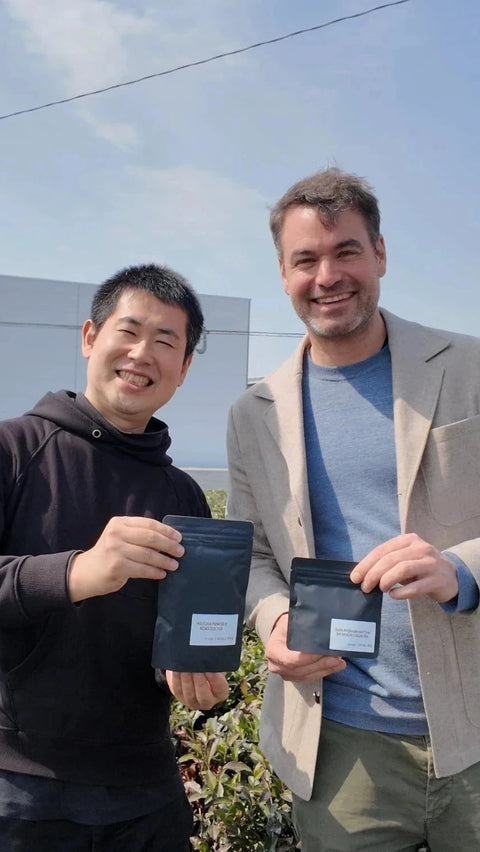
Mr. Henta , un agriculteur expérimenté de Kirishima , au Japon, est le producteur du thé henta asanoka . Lors de notre première rencontre, il a partagé avec nous une connaissance approfondie des subtilités des différentes espèces de théiers, également appelées cultivars.
Ce qui nous intéressait, c'était sa vaste connaissance des différentes variétés de théiers, chacune ayant ses propres saveurs et modes de croissance caractéristiques.
Malgré la petite taille de son exploitation, Mr. Henta cultive huit variétés de thé différentes. Il excelle dans l'art d'assembler ces cultivars afin d'en extraire les meilleures qualités et de créer ainsi ses mélanges de thé vert uniques.
Origine: KirishimaJapon
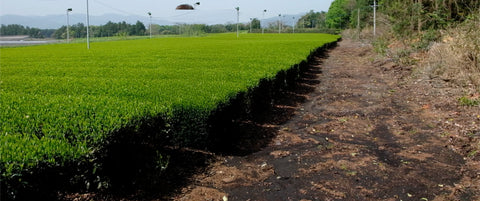
Kirishima , région du sud du Japon, est le berceau du Henta sencha asanoka . Contrairement aux hivers rigoureux du centre du Japon, Kirishima bénéficie d'un climat subtropical doux. Il est donc plus aisé d'y cultiver des espèces de théiers plus délicates, qui produisent des thés verts complexes et sucrés comme celui-ci.
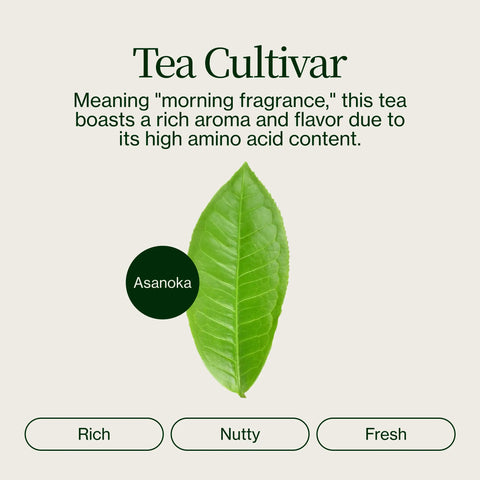
Cultivar : Asanokavariété de thé
Comme son nom l'indique, le Henta Asanoka Sencha est élaboré à partir du cultivar Asanoka . Ce théier est l'une des variétés de théier japonaises les plus rares, mais il permet de produire de délicieux thés verts.
Asanoka: Asanoka
Préparation et serviceJusqu'à 60 tasses
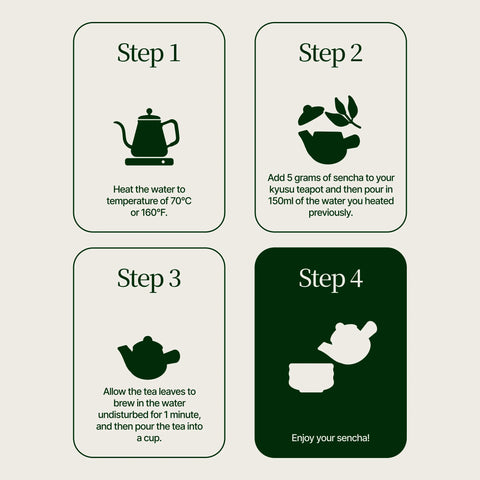
Boisson chaude : 5 g de feuilles, 150 ml d'eau à 70 °C (158 °F), 1 minute.
Brassez-le à nouveau : Les mêmes feuilles permettent de réaliser 3 infusions. Réinfusez-les 2 fois avec de l'eau à la même température, pendant 20 secondes à chaque fois ; chaque infusion aura un goût légèrement différent.
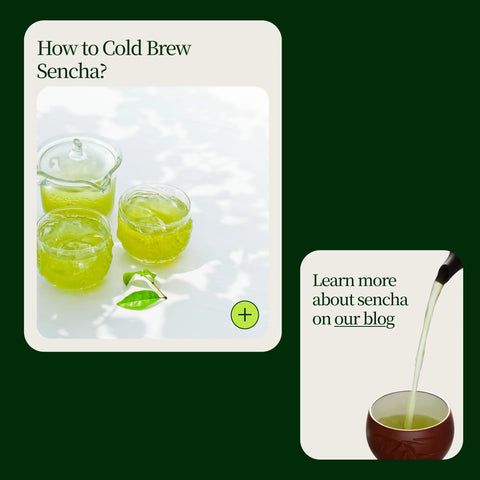
Infusion à froid : Le henta sencha asanoka est non seulement délicieux en infusion chaude, mais il est aussi excellent en infusion froide. Pour en savoir plus sur la préparation du thé vert infusé à froid, consultez notre blog et lisez l'article complet.
Un paquet : Jusqu'à 60 tasses · 20 portions de 5 g, 3 infusions chacune · 100 g / 3,5 oz.
Pourquoi choisir Nio Teas ?
Pour nous, le thé est bien plus qu'une boisson, c'est un art de vivre. Nous avons passé des années à visiter des plantations de thé à travers le Japon, à déguster des thés avec les producteurs et à tisser des liens directs et durables. Nous sommes convaincus que c'est la manière la plus durable de s'approvisionner en thé : moins d'intermédiaires, une meilleure traçabilité et un lien plus étroit entre le producteur et le consommateur.
Chaque thé est garanti sans pesticides et soigneusement sélectionné pour son goût, son origine et son savoir-faire. Que vous découvriez les thés japonais ou compariez les variétés et les terroirs, vous trouverez des notes de dégustation honnêtes, des conseils d'infusion précis et un véritable accompagnement pour vous aider à savourer pleinement chaque tasse.
Valeurs typiques pour 100 ml de thé infusé, selon les Tables de composition des aliments du Japon (MEXT, 8e édition), infusion sencha (aliment n° 16037 ; 10 g de feuilles, 430 ml d’eau à 90 °C, 1 min). Les valeurs dans votre tasse peuvent varier en fonction du type de feuilles, de l’eau et du temps d’infusion.
Complétez votre rituel du théNo Kyusu at home? No problem!
100 % sans pesticidesDirectement des agriculteursPur et non mélangéTerroir d'origine uniqueRécolte en petits lotsArtisanat japonais authentique
Unveiling Sencha's Superfood Power
•
Caféine
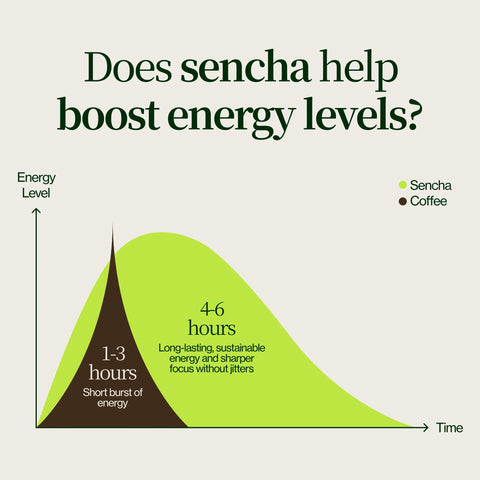
De la caféine naturelle pour un regain d'énergie doux et durable.
•
antioxydants
Riche en catéchines et autres antioxydants naturels.
•
Chlorophylle
Naturellement riche en chlorophylle, le pigment responsable de la couleur verte éclatante du matcha .
•
Potassium et calcium
Minéraux naturels qui contribuent au profil nutritionnel du matcha .
•
L -théanine
Un acide aminé naturellement présent dans le thé, associé à une sensation de calme et de concentration.
•
Vitamines A, C, E et K
Contient un éventail de vitamines naturellement présentes dans la feuille de thé entière.
Why Buy Your Sencha from Nio Teas
Pas d'intermédiaires, pas de pesticides, pas de risque.
Garantie de satisfaction de 30 jours
Essayez-le en toute confiance. S’il ne vous convient pas, contactez-nous dans les 30 jours.
15 producteurs de thé japonais
Notre thé réunit le savoir-faire et l'expertise régionale de 15 agriculteurs partenaires à travers le Japon.
Directement du producteur au consommateur
Nous établissons des relations durables avec nos agriculteurs afin de réduire le nombre d'intermédiaires et d'améliorer la traçabilité.
100 % sans pesticides Sencha
Every Sencha is grown without pesticides, then personally tasted and selected by our team.
How to Make Sencha Like a Pro
Pour préparer le sencha asanoka , utilisez une eau à température plus basse et un temps d'infusion relativement court. Une minute suffit amplement pour que les feuilles de thé s'ouvrent complètement et libèrent leurs arômes dans l'eau.
Heat the Water
Chauffer l'eau à 70°C (158°F).
Add the Leaves
Ajouter 5 g de feuilles dans une théière kyusu .
Steep
Versez 150 ml d'eau et laissez infuser pendant 1 minute.
Pour & Brew Again
Videz chaque goutte, puis faites infuser les mêmes feuilles 2 fois de plus (20 secondes à chaque fois).
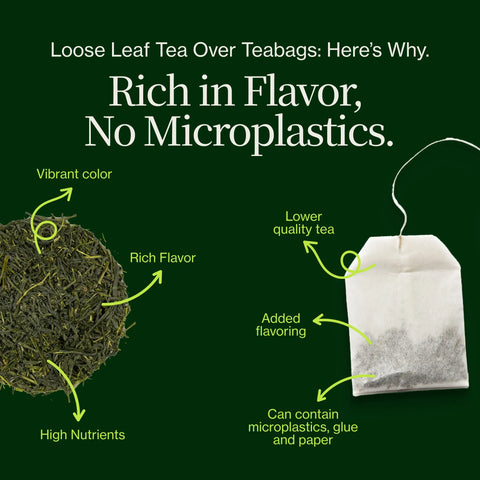
Thé en vrac plutôt qu'en sachets
Riche en saveur, sans microplastiques.
Delicate cultivars from Kirishima's mild climate.
Fermier: Hentaさん
Mr. Henta grows tea in Southern Japan's Kirishima region. Its mild, subtropical climate, warmer than the colder winters of central Japan, allows delicate tea plant varieties to yield more complex and sweet green teas.
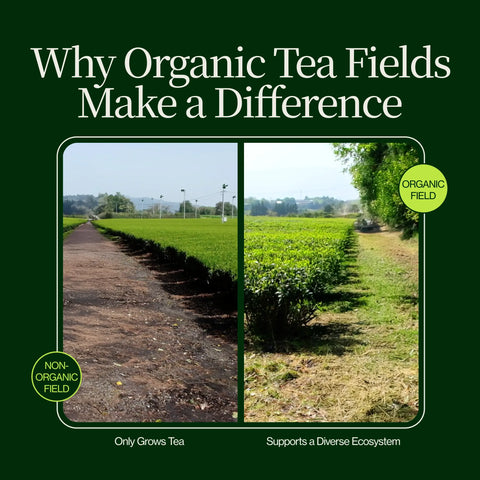
Why Organic Sencha Fields Make a Difference
Les théiers absorbent tous les nutriments du sol, ce qui rend l'agriculture sans pesticides particulièrement importante. Les agriculteurs avec lesquels nous collaborons ont trouvé le moyen de cultiver un thé délicieux sans nuire à l'écosystème naturel.
ORGANIQUE
PESTICIDES
Nous sommes des amateurs de thé, tout comme vous !
Nio teas est mon fournisseur préféré de thés de qualité depuis un certain temps, et je n'ai jamais été déçu. Leurs thés sont d'excellente qualité, mais j'aimerais souligner leur service client exceptionnel : l'équipe Nio s'est toujours montrée très aimable et serviable lorsque j'ai rencontré le moindre problème. Leur service client est irréprochable : ils sont très attentifs et répondent rapidement à toutes mes questions, ce qui explique ma fidélité.
1er avril 2026
5 out of 5 stars
5/5
Sean
Mon fournisseur préféré de thés verts bio en vrac du Japon. Ils sélectionnent parmi les meilleurs thés bio du Japon et soutiennent les petits producteurs et l'ensemble du secteur du thé bio, en pleine expansion. J'ai commandé chez différents fournisseurs pendant des années et Nio propose systématiquement les meilleurs prix et le plus grand choix. Leur service client est impeccable et la livraison est rapide. Je recommande vivement ! 🍃
Shipping is free once your order passes the threshold for your country — USD 54.99 · EUR 54.99 · GBP 44.99 · CHF 49.99 · CAD 74.99 · DKK 399 · SEK 599 · PLN 229 · CZK 1,290. Everywhere else it's the equivalent of USD 54.99, converted automatically. Below the threshold a flat rate applies, always shown at checkout before you pay.
We ship from warehouses in the US, the EU and Japan — whichever is closest to you. US and EU orders arrive in 4–12 business days; the handful of countries served from Japan take around 10. Business days count from dispatch rather than from when you order, and exclude weekends and public holidays. You'll get a tracking number by email the moment your parcel leaves the warehouse.
We only buy from fields grown without pesticides or chemicals. We ask each farmer directly how they manage their land, visit the plantation and processing facility ourselves, taste every harvest before committing, and check that the biodiversity around the fields is alive. Small family farms don't always carry paperwork — so we verify it in person instead.
Japanese green tea covers an enormous range, and choosing online isn't easy. If you've tried yours and it isn't for you, email info@nioteas.com within 30 days with your order number and a line on what you didn't enjoy. We'll send a different tea of equal or lower value, free. Nothing to post back — keep it, share it, or try brewing it cooler. Once per order.
Email info@nioteas.com within 30 days with your order number and a photo. We'll approve it, cover the return postage with a prepaid label or a reimbursement, and refund you — no restocking fee. Refunds go to your original payment method within 2 business days of the return reaching us; your bank may take another 5–20 to show it.
Unopened items in their original packaging can be returned within 30 days. Tea is sealed for hygiene, so opened packs can't come back — but the swap above covers exactly that situation. Return postage is yours unless the item arrived damaged, defective or incorrect.
Orders to the US and EU ship domestically from our local warehouse, so there's no customs charge and no duty. A small number of destinations are served from our Japan warehouse, where your own customs authority may apply import duty, VAT or a carrier handling fee on delivery. Those are set by your country, not by us. Ask before you order and we'll help you check.
This is, currently, my favorite Sencha. It has the full smell of the seashore while I enjoy it's thick texture. You can brew at 155f for a bit of nuttiness, or 165f for more grass. Wonderful tea, at a great price-point.
Dieser grünttee + ich, wir verstehen uns nicht optimal: er präsentiert sich mir nahezu aromalos. Lasse ich ihn etwas länger ziehen, kippt er grad ins Bittere. Ebenso bei nur leicht höherer Dosierung.
Wir finden einfach nicht zueinander. 😭
This tea has a nice vegetal quality to it and a nice balance of sweet, astringent & bitter. The taste lasts quite a long time on the tongue too. For the price I recently paid for its very good.
I absolutely love this tea. It’s more umami and thick than a lot of green teas, which makes a really comforting tea. The flavor is more delicate and sweet on the second steep. Super high caffeine content and beautiful green color too.
Best sencha from Mr. Henta! I've tried Saemidori and Okumidori cultivar from Henta San, but Asanoka is the best for me. First infusion is more grassy, minty with a hint of nutty flavour and sweet , yellow green colour. Second infusion is more earthy, nutty more astringent taste, raw green colour.
Asanoka - fragrance of the morning as they say in Japan. Excellent and refreshing tea!
Thanks Nio Teas!
Tasting and aroma notes detected in different phases of Tasting:
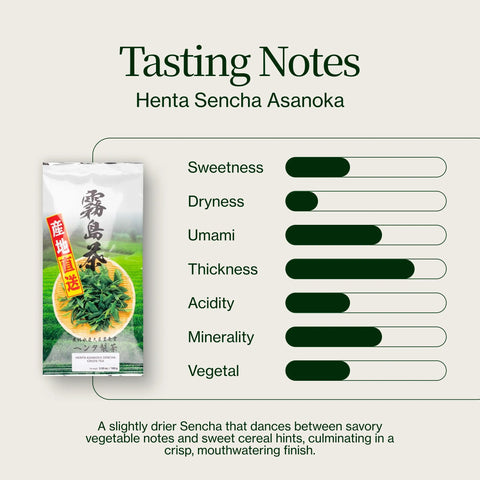
Dry leaf - kelloggs red berries cereal, banana flower, sticky rice dumplings, dried apricot, honey granola bar, cucumber peel, steamed tenderstem brocoli, tomato vines, freeze dried strawberries.
Wet leaf - similar to dry leaf except more intense on the sour aroma notes with an additional note of dried seaweed and toasted sesame seeds and white soy arare.
Texture - thick, warming, lingers for a while
Taste - much more umami and savoury than the most recent sencha sample I tried. Has notes of tonkotsu broth, black sesame seeds, freshly steamed baozi, white soy arare and wakame seaweed, lovage and chicory.
This is one for the people who love a more brothy, umami and savoury heavy sencha. A little trickier to brew if you want it strong without oversteeping but with more Japanese greens it's best to stick to a lower temperature of 60⁰C - 65⁰C. I also like that this particular sample yielded at least 6 or 7 good infusions in comparison to the Chiran Shizuku sencha I tried from Nio, nothing wrong with a short tea session and getting 2 or 3 very strong brews (I've heard that it's very common to discard the leaves after 2 or 3), but personally I think it's better value for your money when a tea can give you a little more than that, so you can enjoy it for longer. This might be one of my favourite samples so far.😌🫶🏻
This one has a lot of vegetal and umami notes early on with a refreshing, fruity aftertaste. As always, I adore the vibrant green liquor. For this tea I followed the brewing guide, and it was just about perfect, but a little hotter water wouldn't hurt. Excellent tea!
Tea leaves are automatically more delicate looking. Also smells fruity and bright. So the lower brewing temp makes a lot of sense.
5 grams, 60℃, 60 seconds. Infusion 1: beautiful glow in the liquor. Gentle but assertive attack, with nice high notes. This is a lovely tea. Grassy. Slight umami this spirals down into a warm sweetness. 2nd infusion: the liquor color deepens and the pour slows in the teapot, as usually happens with Japanese teas. Fruity notes wake up in the second infusion. There's a sort of bright, chocolatey high note. Third infusion is that comically deep green, which comes out in a trickle. Rich and deep aftertaste.
The Henta Asanoka is my current favorite from Nio teas (out of 5 tried) and it's quite reasonably priced. This one is vegetal, with the amazing ocean aroma I remember from my first good sencha many years ago, and no nuttiness. Solid and a great daily drinker.
I really like the flavor of this sencha tea. I've tried the Fukamushi Sencha Kagoshima Murasaki earlier and loved it. While the flavor is different it is really good.
Good sencha. More umami, less grass than others I've tried; not a good nor bad thing from my perspective, just an observation for others looking to pick out a Sencha from Nio's lineup.
First-rate website with clean design, easy ordering process. Excellent product. Good job keeping me informed on order and delivery status. Will definitely use again.