
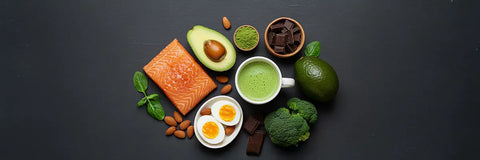
Is matcha keto? The answer is yes, but only when you drink it the right way.
Pure matcha powder is extraordinarily low in carbohydrates. A single serving contains less than one gram of net carbs, which makes it one of the most compatible teas for a ketogenic lifestyle.
The complication usually comes not from the matcha itself, but from what gets added to it. Sweetened lattes, oat milk, and flavoured syrups are what push a cup over the carb limit.
Read on to get all the details you need to make matcha work on your keto diet.
Is Matcha Keto? Yes, It Is

Pure ceremonial or culinary grade matcha powder contains roughly 1 gram of total carbohydrates per teaspoon (about 2 grams per serving), with less than 1 gram of net carbs once fibre is subtracted.
That carb count is low enough to fit comfortably within the standard keto threshold of 20–50 grams of net carbs per day.
Matcha also contains no added sugars, no preservatives, and no fillers when purchased as a pure powder. Matcha is naturally keto friendly in its whole, unsweetened form.
The Carbohydrate Profile of Pure Matcha Powder
One teaspoon of pure keto matcha powder roughly two to three grams contains approximately three calories, less than one gram of carbohydrates, and virtually no sugar. This is precisely why is matcha keto is such a simple question to answer when the powder is examined in isolation: it contributes almost nothing to your daily carb count.
Matcha also provides a small amount of dietary fiber, which reduces the net carbohydrate figure further. The amino acid L-theanine, naturally present in matcha, works alongside caffeine to produce calm, focused energy—something many find especially useful during the early stages of keto-adaptation.
Does Matcha Affect Blood Sugar or Insulin?
Plain matcha has a very low glycaemic index and does not cause a meaningful rise in blood glucose. The amino acid L-theanine found in matcha has been studied for its role in moderating caffeine absorption and supporting a steady mental state.
There is also emerging research on the polyphenol EGCG in matcha and its potential role in supporting insulin sensitivity. None of these effects will disrupt ketosis when matcha is consumed without sweeteners.
The Metabolic Synergy: Why Matcha and Keto Work Together
Accelerating Thermogenesis and Fat Oxidation

One of the most compelling reasons to include matcha in a keto lifestyle is its high concentration of EGCG (Epigallocatechin Gallate). This specific catechin has been shown in clinical studies to boost metabolism and increase the rate at which the body burns fat—a process known as thermogenesis.
When you are in ketosis, your body is already primed to use fat as its primary fuel source. By introducing the EGCG found in matcha, you are essentially "turning up the volume" on your body's fat-burning machinery. This synergy makes matcha an ideal pre-workout drink for those on keto, as it provides sustained energy without the insulin spike associated with traditional pre-workout supplements.
Managing Keto Flu and Electrolyte Balance
Transitioning into ketosis can often lead to the Keto Flu, characterized by brain fog, fatigue, and irritability. This is where the unique amino acid profile of matcha becomes invaluable. Unlike coffee, which can sometimes cause jitters or a rapid heart rate, especially when your electrolytes are low, matcha contains L-theanine.
L-theanine promotes the production of alpha waves in the brain, leading to a state of "relaxed alertness." When asking if matcha keto is friendly for beginners, the answer is a resounding yes because it helps stabilize the nervous system during the metabolic shift. Furthermore, high-quality matcha contains trace minerals like potassium and magnesium, which are essential for maintaining electrolyte balance as the body sheds excess water weight during the initial weeks of a ketogenic diet.
Where Matcha and Keto Can Clash

The Hidden Carbs in Commercial Matcha Drinks
Is matcha keto served as a café latte or purchased ready-to-drink? Rarely. A standard commercial matcha latte can contain anywhere from 25 to 40 grams of sugar, mostly from flavored syrups or sweetened plant milks. That single serving can exhaust an entire day's carbohydrate allocation on a strict keto plan.
Many bagged matcha powders are also blended with added sugars, milk solids, or maltodextrin as fillers. If you are trying to assess whether the "is matcha keto" rule holds true for a specific product, the ingredient list is your most reliable guide: quality ceremonial or culinary grade matcha should list one item only: matcha.
How to Make a Keto Matcha Latte at Home
A keto matcha latte is simpler to make at home than most people expect. Replace dairy or sweetened oat milk with unsweetened almond milk, macadamia milk, or full-fat coconut milk, all naturally low in carbohydrates. Sweeten with monk fruit extract or erythritol rather than cane sugar, and making a matcha latte keto means the carb count drops to just one or two net grams per cup.
Preparing a keto-friendly matcha latte at home shifts the question of is matcha keto from a theoretical concern to a practical, daily "yes." You control the quality, the milk choice, and the sweetener ensuring every cup stays genuinely low-carb.
Practical Tips for Enjoying Matcha on a Ketogenic Diet

Choosing the Right Matcha Powder
Not all matcha is equal, and on a ketogenic diet the quality of your powder matters more than ever. Look for single-origin Japanese matcha ideally from Uji, Nishio, or Kagoshima with a vibrant matcha green colour and a smooth, slightly sweet flavour. Dull or yellowish powder often signals oxidation or poor processing, and may carry additives that introduce carbohydrates you did not account for.
Those still wondering whether is matcha keto compatible should find that a single glance at the label of a quality, single-ingredient powder settles the matter immediately.
Creative Ways to Incorporate Matcha Into a Keto Routine
A traditional matcha bowl pure powder whisked into warm water is the most direct and uncomplicated way to enjoy matcha on keto. For something richer, adding a knob of grass-fed butter or a teaspoon of MCT oil creates a high-fat drink that sits naturally within a ketogenic morning routine. Is matcha keto question rarely comes up when matcha is prepared this cleanly.
Cold preparations work equally well. A keto matcha latte recipe made with cold unsweetened almond milk, ice, and a few drops of monk fruit extract takes under two minutes to prepare and fits comfortably within any keto carb budget. Exploring keto matcha recipes more broadly from matcha fat bombs to almond flour biscuits finished with ceremonial powder reveals just how versatile a low-carb matcha routine can be.
The Straightforward Answer
Is matcha keto? The answer is an unqualified yes provided you choose pure, unsweetened powder and pair it with low-carb ingredients. The powder itself is nearly carbohydrate-free and delivers meaningful nutritional value with minimal metabolic impact.
The only real pitfalls are the additions: sweetened milks, flavored syrups, and low-quality powders with hidden fillers. Eliminate those, and keeping matcha keto-friendly in your daily routine becomes second nature. The short answer to is matcha keto is simply yes, pure Japanese matcha, sourced well and prepared thoughtfully, earns its place in a ketogenic lifestyle without compromise.
Explore our premium ceremonial grade matcha collection, sourced directly from Uji, Japan pure, vibrant, and perfectly keto-compatible with zero additives. Perfect for your daily lattes or fat bombs, shop now and fuel your ketosis with authentic Japanese quality.



Comments (0)
There are no comments for this article. Be the first one to leave a message!