

Knowing how to make tea in a teapot properly changes how the tea tastes in the cup. Temperature, steeping time, and how fully the leaves expand all affect extraction directly.
Most guides skip the details that matter: why you warm the pot before brewing, why you should drain every drop, and how your teapot material quietly shapes every infusion.
This guide covers the core method step by step, explains how to make loose leaf tea in a teapot effectively, and breaks down what changes when you switch between ceramic, glass, cast iron, or clay.
If you are new to brewing Japanese teas like sencha or gyokuro in a pot, you will also find a dedicated section on temperature and steep time for each type.
Explore the Nio Teas loose leaf collection to find a Japanese tea worth brewing properly in your teapot.
Let's get started!
How to Make Tea in a Teapot: Warm the Pot and Drain Completely

Knowing how to make tea in a teapot properly follows a consistent sequence regardless of the material or tea type. The steps below apply whether you are learning how to make tea in a ceramic teapot, a glass teapot, or a clay kyusu, and they work equally well whether you are brewing solo or using a complete kyusu tea set with matching cups.
Warming the Teapot Before Brewing
Pour a small amount of hot water into the empty teapot, swirl it gently, then discard it. This brings the internal temperature of the pot up, so it does not immediately pull heat away from your brewing water when you add the leaves.
For heat-retentive materials like cast iron, this step matters more. For glass, which loses heat quickly, it buys you an extra minute of stable temperature during the steep.
Measuring Tea Leaves and Water Properly
A reliable starting ratio is around one teaspoon of loose leaf tea per 150-200 ml of water, or roughly 3-5 grams per cup. This varies by tea type: gyokuro and oolong can handle more leaf, while white teas need less.
Add the leaves directly into the pot or into an infuser basket if your teapot has one. Do not pack the leaves tightly. They need room to fully expand as they steep, which is what releases the full flavor profile of the tea.
Steeping and Pouring Without Over-Brewing
Put the lid on and allow the tea to steep undisturbed. The most common mistake at this stage is letting the tea sit too long. Once steeping time is up, pour out every drop from the pot immediately.
Leaving liquid in contact with the leaves after your target time causes over-extraction. The tannins that give tea its astringency keep releasing even after the bulk of the flavor has come through, which is why most bitter cups are a timing problem, not a tea quality problem.
How to Make Loose Leaf Tea in a Teapot
Loose leaf tea brews differently from tea bags, and knowing how to make tea in a teapot with loose tea is one of the most worthwhile brewing skills you can develop. The key variable is whether you use an infuser or brew the leaves freely in the pot.
Using an Infuser vs Brewing Leaves Freely
An infuser basket keeps the leaves contained and makes it easier to stop the infusion at exactly the right moment. When you make tea in a teapot with an infuser, timing is more precise because you can lift or remove the basket the moment steeping is done. Most modern ceramic and glass teapots include one. If you are brewing a fine-particle tea like fukamushi sencha, a fukamushi kyusu with a fine-mesh built-in strainer is specifically designed to handle the small leaf fragments that pass easily through wide-gap strainers. For deep-steamed sencha in particular, the Tokoname Kyusu Fukamushi Teapot makes a measurable difference in what ends up in your cup.
Brewing without an infuser, where leaves float freely in the pot, gives the leaves more room to expand and tends to produce a richer extraction. The trade-off is that you need a separate strainer when pouring, and you have less control over when the infusion stops. This method works best for larger whole-leaf teas like gyokuro or oolong. For those who prefer to skip the basket entirely, there are plenty of effective methods worth trying. 👉 How to Make Loose Leaf Tea Without an Infuser - 14 Ways
Adjusting Leaf Quantity for Different Teas
Japanese green teas like sencha and hojicha typically use 5 grams of leaf for 150 ml of water at 60-75°C. Gyokuro, which is shaded and more concentrated in flavor, benefits from a slightly lower temperature of around 60°C with the same ratio.
Oolong and black teas are brewed closer to boiling and can take a slightly higher leaf volume if you prefer a stronger cup. Herbal teas and roasted teas like hojicha are more forgiving because they contain no tannins, so steeping a few extra minutes does not produce bitterness.
How Different Teapots Change the Brewing Process

The material your teapot is made from affects heat retention, flavor neutrality, and which teas it suits best. The differences are practical, not just aesthetic.
Ceramic and Porcelain Teapots
Ceramic teapots hold heat well and have a glazed interior that does not absorb flavor from previous brews. This makes them versatile: you can move between sencha, oolong, and black tea without carrying over tasting notes from one session to the next.
If you want to know how to make tea in a porcelain teapot specifically, the approach is identical to standard ceramic, but the lower heat retention means you should serve the tea quickly after pouring. It suits delicate teas like white tea and light oolongs because it holds enough warmth without trapping excess heat that could push the water temperature above what the tea needs.
If you want to know more about using a ceramic teapot for Japanese green teas, the Nio Teas kyusu guide covers how clay composition and glaze type affect what you taste in the cup. The kyusu form itself has expanded beyond tea; a coffee kyusu adapts the same fine-mesh brewing principle for those who want to apply Japanese brewing precision to their morning coffee.
Glass Teapots and Glass Teapots With Infusers
Glass is entirely neutral; it adds nothing to the flavor of the tea and absorbs nothing from it. A glass teapot with an infuser is one of the cleaner ways to brew tea if you switch between very different tea types regularly. The limitation is heat retention. Glass disperses temperature faster than ceramic or cast iron, which makes it a better match for green teas and white teas that brew at lower temperatures anyway. Brewing a long-steep black tea in a glass teapot means the water may cool below the ideal range before steeping is finished.
Glass teapots are also the only format where you can watch the leaves unfurl during steeping, which is useful when you are learning to judge extraction by the color of the liquor, a quality that makes the toumei kyusu, a transparent glass-style kyusu, particularly appealing for visual brewers.
Cast Iron and Clay Teapots
Cast iron teapots retain heat for longer than any other material, which makes them a good choice for black teas, pu-erh, and heavy oolongs that steep at high temperatures. Understanding how to make tea in a cast iron teapot starts with one key rule: heat water separately in a kettle and pour it in, since most modern cast iron teapots have an enamel interior coating and should not be placed directly on a heat source.
Some kyusu designs go a step further: a futanashi kyusu, which is a lidless teapot, is designed to steep at lower temperatures with a more open brew chamber, making it particularly suited to gyokuro. If you are looking for a traditional Tokoname clay teapot to start with, Nio Teas carries Red Japanese Clay Teapot designed for everyday brewing.
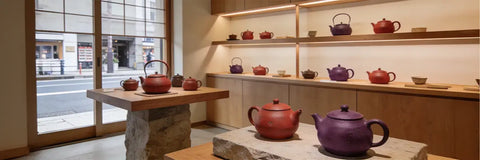
Clay teapots, particularly the Japanese kyusu made from Tokoname clay, are designed specifically for brewing loose leaf teas. The wide base gives leaves maximum space to expand, and the built-in filter handles the straining for you as you pour. Over time, an unglazed clay pot seasons with the teas you brew in it, which some tea drinkers find enhances the umami depth of gyokuro and high-grade sencha. Choosing the right clay teapot makes a real difference to your daily brewing experience. 👉 Best Kyusu Teapot: Top Picks for Authentic Japanese Tea Brewing
Chinese and Silver Teapots
Chinese Yixing clay teapots function similarly to Japanese clay kyusu but are used in gongfu cha brewing, where a higher leaf-to-water ratio is steeped for short repeated infusions of 20-45 seconds each. Because Yixing clay is unglazed and porous, most serious tea drinkers dedicate a specific Yixing pot to a single tea type so that the seasoned clay works with the tea rather than against it.
If you are learning how to make tea in a silver teapot, temperature control becomes especially important because silver has extremely high thermal conductivity. Silver teapots heat quickly and cool quickly, making them technically precise but less forgiving than ceramic. They are more common in British tea service traditions where black teas are brewed at boiling point and consumed quickly.
How to Make Tea in a Teapot on the Stove
The short answer is that you should not place most teapots directly on a stove. The correct method is to heat water in a kettle first and then transfer it to the prewarmed pot. Ceramic, porcelain, and glass teapots are not designed for direct heat and can crack. Cast iron teapots with an enamel lining are also unsuitable for stovetop use because the enamel can degrade under sustained high heat.
The correct approach is to heat your water separately in a kettle, electric or stovetop, and then pour it into the prewarmed teapot. This gives you full control over the water temperature before it contacts the leaves, which is essential for green teas and oolongs that are sensitive to overheating.
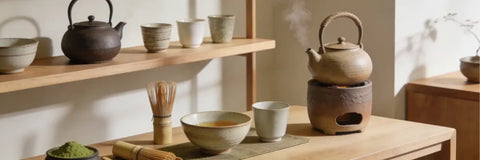
A small number of uncoated traditional tetsubin, the original Japanese cast iron kettles, can be heated on a low flame. But these are kettles, not teapots. They are designed for boiling water, not for steeping tea inside them. If you are unsure whether your pot can go on the stove, check the manufacturer's instructions.
Water Temperature and Steeping Time by Tea Type
Temperature and steep time are the two variables that determine the final character of your cup. Getting one wrong while the other is right will still produce an unbalanced tea.
Green Tea and White Tea
Japanese green teas are the most temperature-sensitive. Sencha brews well between 70 and 75°C for about one minute. Gyokuro, which is shaded for three weeks before harvest, benefits from a lower temperature of 60°C and a longer steep of around two minutes to allow the concentrated amino acids to dissolve fully without pulling out excessive bitterness.
White tea is the most forgiving in terms of steeping time because it contains fewer catechins than green tea. A temperature of 75-85°C for two to three minutes works for most white teas without any risk of over-extraction.
Oolong, Black, and Herbal Tea
Oolong covers a wide range depending on its oxidation level. Lightly oxidized oolongs brew closer to 80-85°C for one to two minutes, while darker, heavily roasted oolongs can handle 90-95°C for two to three minutes. Multiple short steepings of the same leaves tend to produce better results than one long infusion.
Black tea and herbal teas are brewed with fully boiling water at 95-100°C. Black tea typically needs three to four minutes. Herbal teas can go five minutes or longer without becoming bitter because they contain no tannins in the same way true teas do.
Hojicha and bancha, both roasted Japanese teas from the Nio Teas range, also brew well at 90-100°C and are forgiving with steep time, making them a good entry point if you are new to brewing loose leaf teas in a teapot.
Common Mistakes That Change the Flavor of Your Cup
Most poorly brewed tea comes down to three problems: wrong water temperature, wrong steep time, and a teapot that has not been prewarmed. When you make tea in a teapot properly, all three are easy to control once you are aware of them.
Using boiling water for a delicate green tea is the most frequent mistake. Water above 80°C pulls catechins out of green tea leaves faster than the amino acids that create sweetness and umami. The result is a cup that tastes bitter even with high-quality leaves.
Not draining the teapot completely after steeping is the second most common issue. Any liquid left in contact with the leaves keeps extracting. A standard sencha that steeps well for 60 seconds will be noticeably bitter after 90 seconds.
The third problem is not sifting or filtering fine tea particles before serving. For deep-steamed teas like fukamushi sencha, fine mesh filtration matters more than with standard whole-leaf teas.
Cleaning and Re-Steeping After Each Brew
Glazed ceramic, porcelain, and glass teapots can be rinsed with warm water and dried after each use. When you make tea in a teapot regularly, avoiding soap inside the pot is the safest default since soap residue can carry into the next brew.
Cast iron teapots should never be left wet inside. Rinse with warm water, then dry thoroughly before storing. Moisture left inside an enamel-lined cast iron pot does not cause rust, but it can cause odor over time.
For clay teapots like the kyusu, a simple rinse with hot water is all that is needed, but if you want a more detailed breakdown of the process, a dedicated guide on how to clean a kyusu teapot covers what to do after heavy use and how to protect the seasoning over time.
Most whole-leaf teas can be re-steeped two to three times. For each subsequent infusion, use the same water temperature but reduce the steep time to 15-20 seconds. The flavor profile will shift across infusions, typically becoming lighter and cleaner with each round.
Making a Better Habit Out of the Teapot Ritual
Learning how to make tea in a teapot well is mostly about removing the variables you cannot control. Once you have the right temperature, the right ratio, and a warm pot, the main job is timing.
A simple timer, even a phone timer, removes the guesswork from steep time. For teas that are very sensitive to over-extraction, like gyokuro or high-grade sencha, a 15-second difference is enough to noticeably change the cup.
If you want to go further into specific Japanese tea preparation, the Nio Teas brewing guides for sencha, gyokuro, and hojicha cover leaf-to-water ratios, temperature ranges, and re-steeping techniques for each tea in detail.
Brewing tea in a teapot becomes simpler and more consistent once the core variables are controlled. Once you know how to make tea in a teapot properly, the first few times that felt like a process become the best part of the morning.

Comments (0)
There are no comments for this article. Be the first one to leave a message!